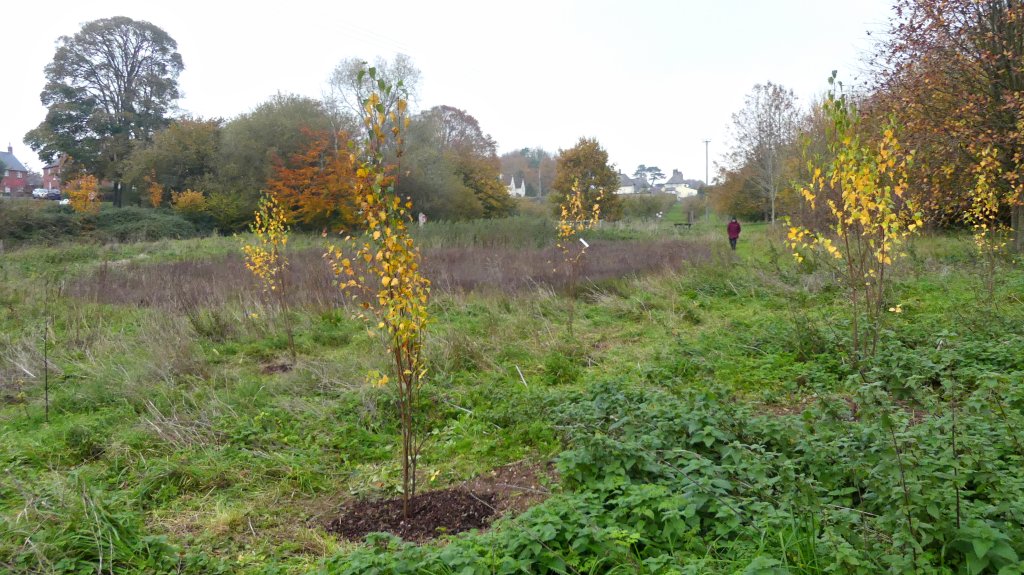
At its heart, the management of the Charlton Down Nature Area has one simple purpose: to make more room for wildlife.
That doesn’t just mean protecting the species that are already here. It means creating the conditions that allow more species to arrive, survive and thrive. Every change we make is guided by a single principle: increasing biodiversity.
Biodiversity is often spoken about as though it were simply a count of species, but it is much more than that. It is the intricate web of relationships between plants, insects, birds, mammals, fungi and countless other organisms. The richer and more varied those relationships become, the healthier and more resilient the ecosystem becomes.
To encourage that diversity, we have worked to create a mosaic of habitats across the site. Areas of scrub, meadow, woodland, wetland and tall herbaceous vegetation each provide different opportunities for wildlife. Every habitat has its own community of species, and every species has its own requirements. The more variety we can offer, the more life the site can support.
But biodiversity is not built only at the scale of landscapes. It also depends upon the smaller details that many people never notice. Dead hedges, log piles, branch stacks, hibernacula, reptile refuges and nest boxes all provide shelter, breeding sites and feeding opportunities. These features create the cracks, crevices and hidden corners where wildlife finds a foothold.
Even the decision to leave vegetation standing throughout the winter has enormous value. What may appear untidy to us is, for thousands of insects, a place of refuge. Beetles, butterflies, bees and countless other invertebrates spend the winter hidden amongst stems and seed heads, waiting for warmer days to return. Small mammals move through this miniature jungle beneath our feet, while birds patrol above, feeding on seeds and invertebrates. Predators follow prey, and the cycle continues.
Nature responds remarkably quickly when given the opportunity. As habitats become richer and more varied, they support more species, which in turn create opportunities for others. Diversity generates diversity.
It is within this context that the proposal to plant silver birch should be considered.
Silver Birch (Betula pendula) is often regarded as one of Britain’s most valuable native trees. Elegant rather than imposing, it casts only light shade, allowing wildflowers and grasses to continue growing beneath it. Its leaves feed numerous insect species, its seeds provide food for birds, and its bark and branches offer habitat for lichens, fungi and countless small invertebrates.
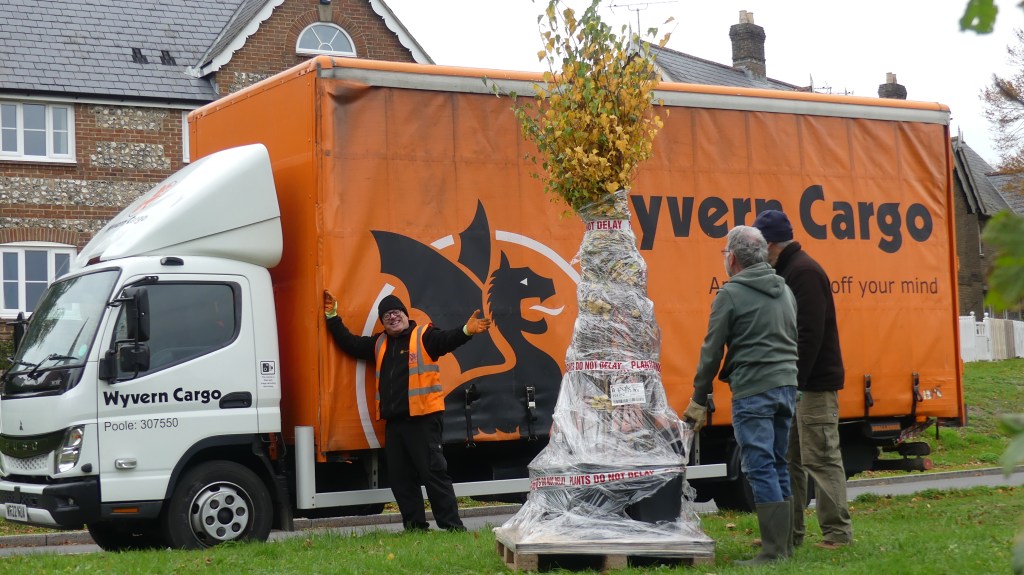
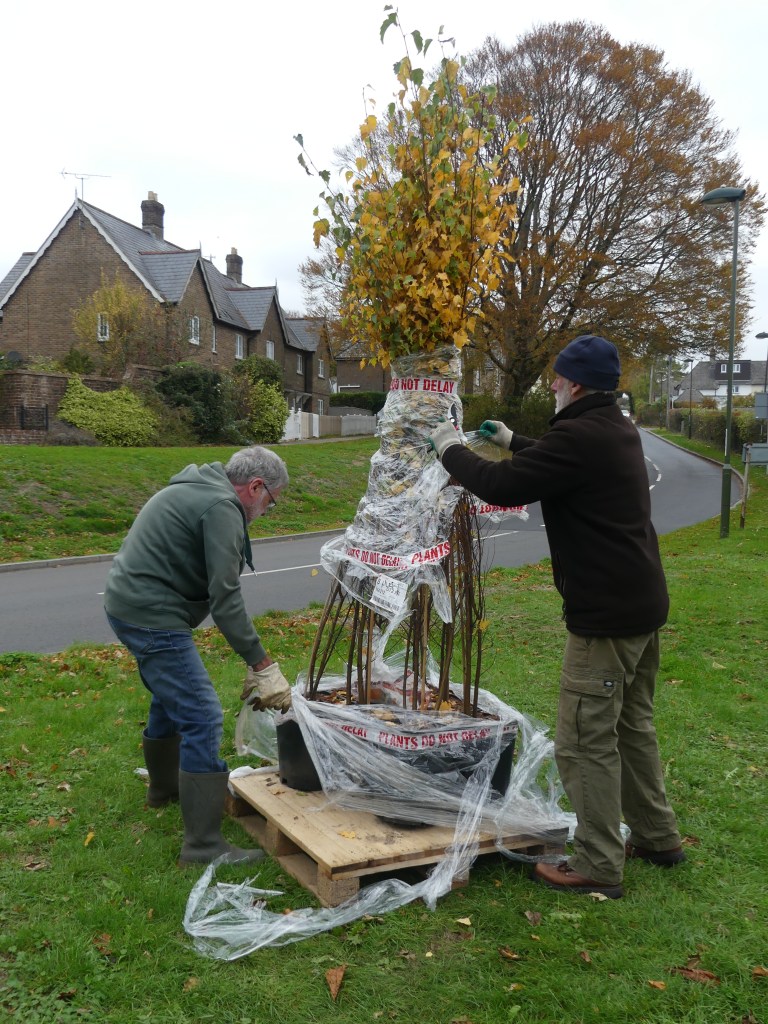
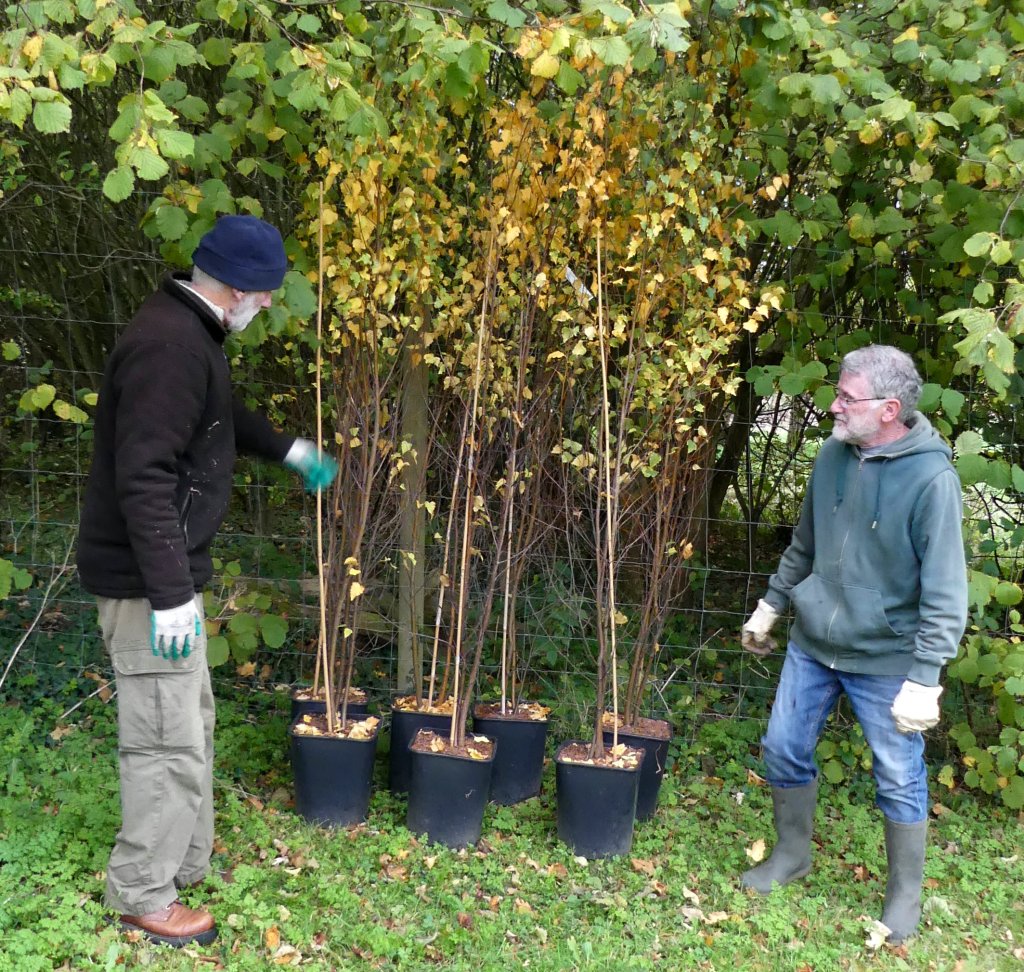
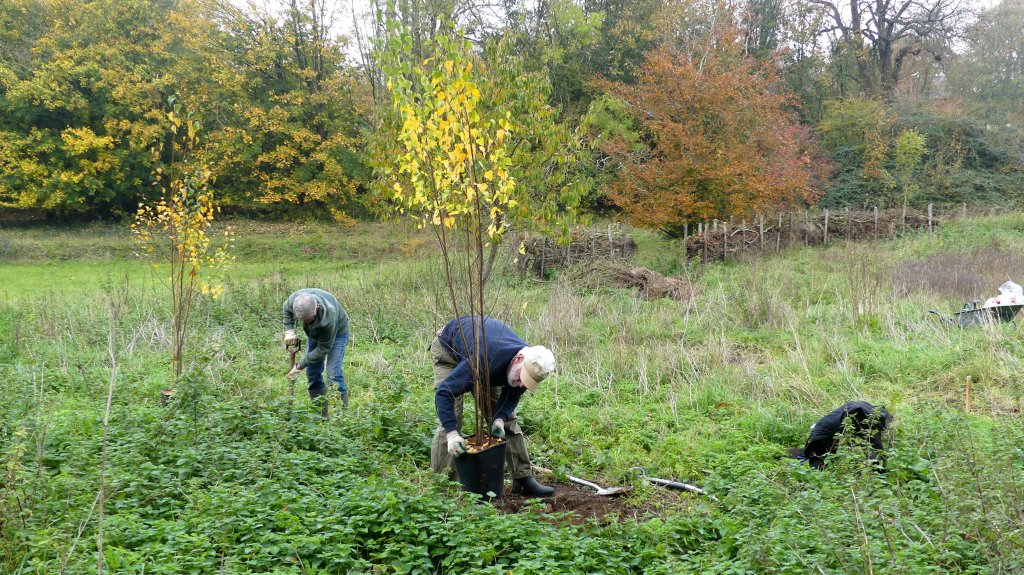
The proposed planting of seven multi-stemmed silver birch trees within Zone 2 would add yet another layer of habitat complexity to the Nature Area. Their white trunks would bring year-round visual interest, their catkins would provide a seasonal food source, and their open canopy would contribute structure without overwhelming the existing landscape.
Most importantly, they would create new opportunities for wildlife.
And ultimately, that is the measure by which every management decision in the Nature Area should be judged.
The detailed rationale for planting silver birch trees in the Charlton Down Nature Area can be found HERE.
Discover more from Charlton Down Nature Area
Subscribe to get the latest posts sent to your email.


Silver birch seems an excellent choice to expand the biodiversity of the Nature Area. Kudos to all involved!
LikeLiked by 1 person
Thank you. It took quite a while to decide on the right trees for the context and now we are happy with the choice.
LikeLike