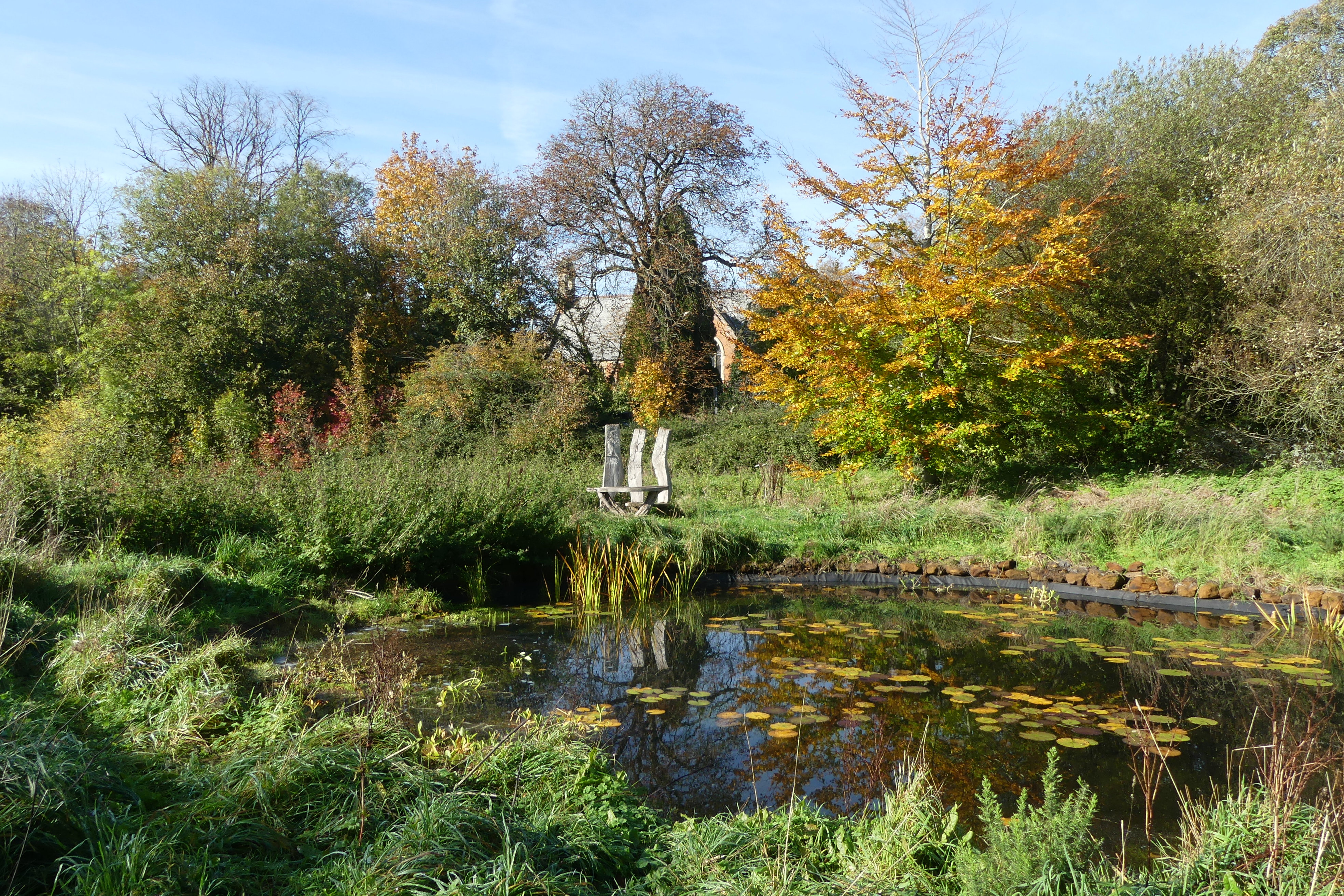
Getting straight to the point, some people complain the Nature Area is untidy. It is. For very good reasons, we think “untidy” is exactly what it should look like. It is not a sign of neglect. On the contrary, the site is carefully managed throughout the year by a team of volunteers and contractors to look just the way it does because it is a nature reserve. Leaving things as they are is a strategy to preserve and encourage wildlife survival in the face of some very difficult odds at this present time. It is the one space in the parish that has been specially set aside for nature conservation.
Whilst people are welcome to visit and enjoy the flora, fauna and tranquillity of the site, preserving wildlife is the prime consideration. It is not a park, a garden, or a playground. There are many other recreational spaces in the two villages of Charminster and Charlton Down where children can run around and play, dogs can be walked, or people can have barbeques. The parish has just this single place where increasing biodiversity is the main aim and nature has priority. If we were to routinely cut back the vegetation and “tidy up”, it would remove the reserve’s valuable assets which enable wildlife to thrive there.
This is not to say that nothing will be cut or removed. Management activities are carried out throughout the year, mostly by volunteers with additional bought-in help.Our newly scythed spring meadow area, for example, will be cut once a year to hopefully allow the wild daffodils, snakes-head fritillaries, cowslips, and meadow cranesbills to flourish. The larger summer wildflower zone will be mown at less frequent intervals because of the importance of its many seedbearing plants that provide food in winter, and protection for overwintering animals.
Creating a wider range of habitats by selectively removing invasive species, coppicing, shrub management, tree planting, hand scything, seeding and bulb planting, and the construction of features like the dead hedge, hibernaculae, reptile refuges, and developing the pond and its surrounding area will increase biodiversity. None of this work is easy to accomplish while dealing with the vagaries of Nature and unpredictable extremes of weather. We try to add richness to the site and not take away anything unnecessarily.
In the last twenty years there has been a 65% loss of insect life in the UK. It’s a similar situation with birds. Simply planting flowers to supply nectar for pollinating insects is not sufficient to save our wildlife. If as soon as grass gets tall, and flowers finish, dead stems and seedheads are removed along with leaves and other debris, then the eggs, larvae, pupae of the next generation of insects are destroyed. Vital food supplies and potential nesting sites are removed, and little shelter remains for creatures to protect them from extremes of weather. Letting vegetation stand and making the decision not to tidy up means that our small reserve now provides one giant feeding station for every kind of local wild creature, large or small.
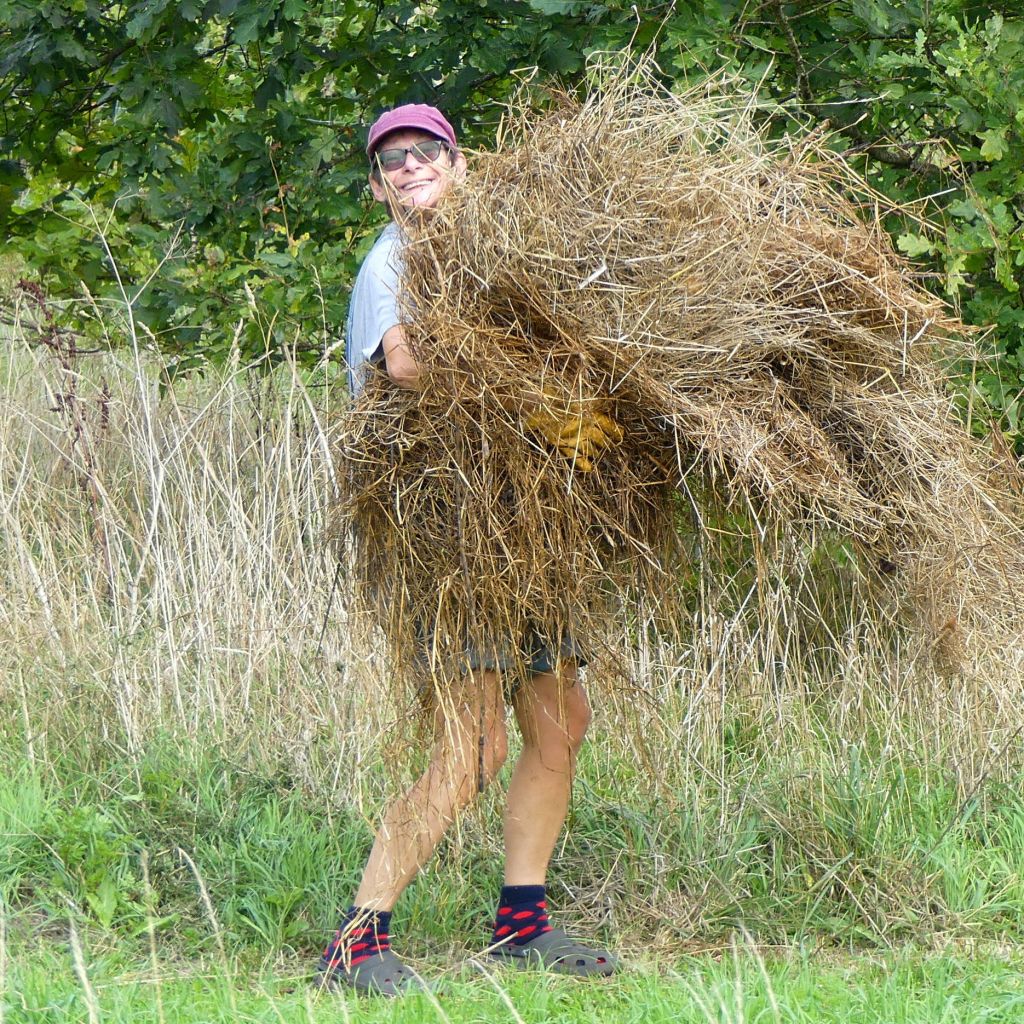
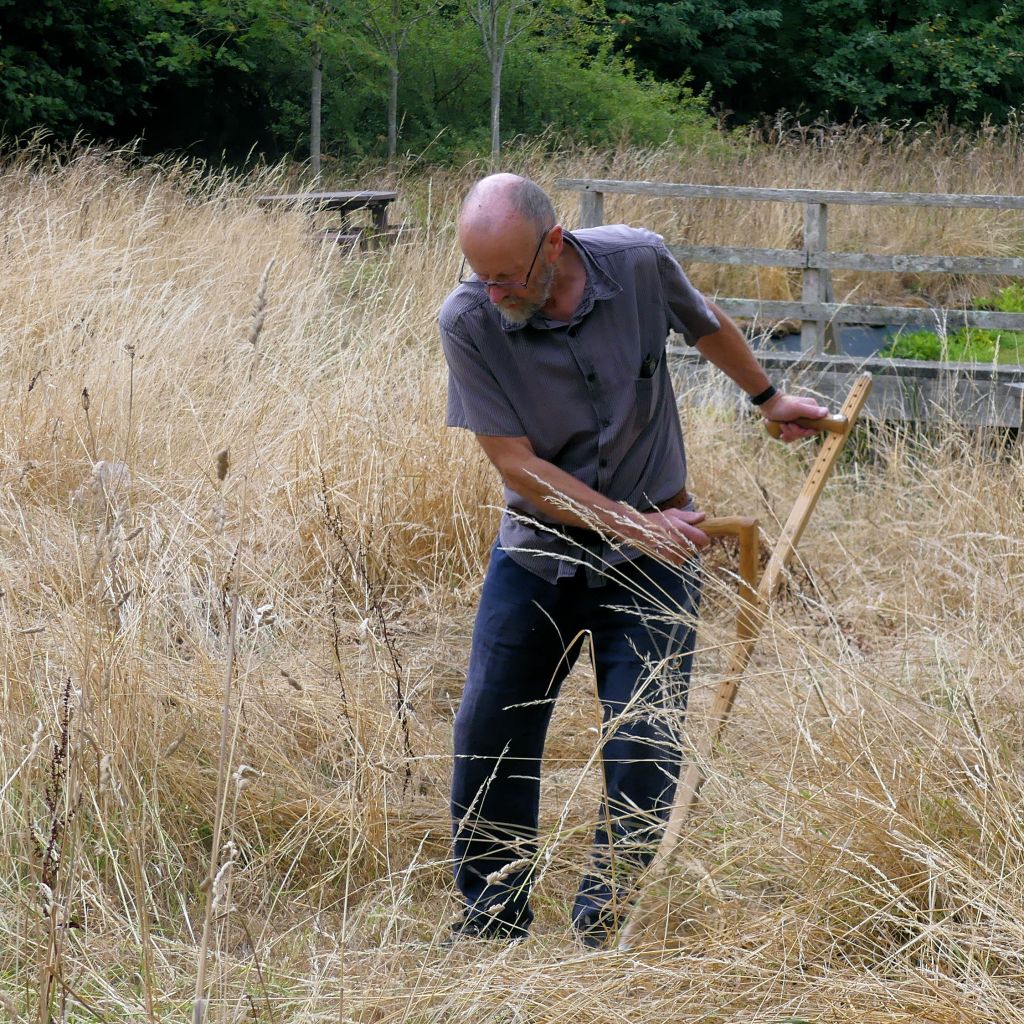
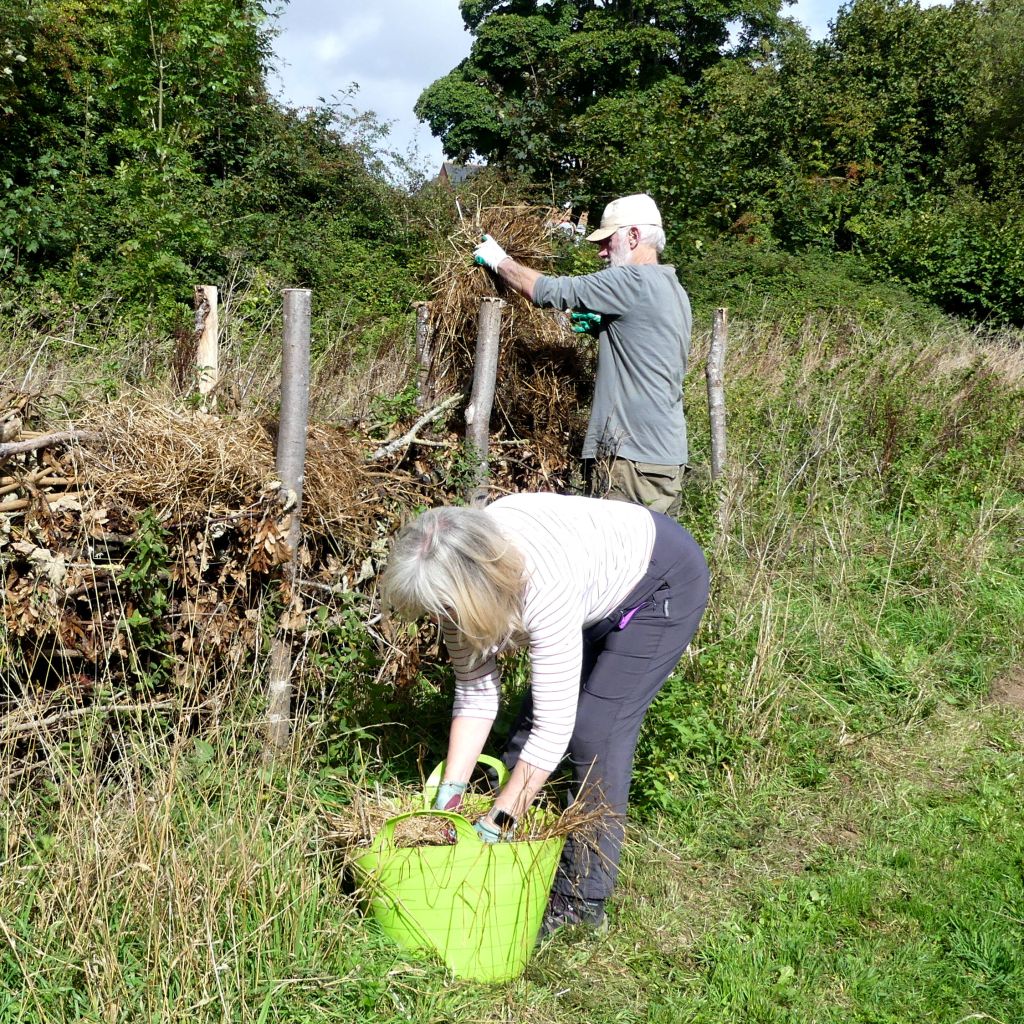
Management activities in the Charlton Down Nature Area this Autumn
Discover more from Charlton Down Nature Area
Subscribe to get the latest posts sent to your email.


