
I can’t believe it is September already. After six months, the scars left by rebuilding the pond in February have been very successfully covered by new growth. The new pond has continued to be a success story and has attracted many visitors and admirers throughout the summer. It is surprising just how many creatures have colonised it. Until a few weeks ago, it was flourishing with water lilies flowering, dragonflies feeding, snails grazing, amphibians developing, and myriads of whirligig beetles spinning on the surface. Now, with an early autumn and cooling weather, everything is dying back, plants and animals alike. Many aquatic invertebrates will hibernate at the bottom of the pond or crawl out into the grass and other vegetation to join with the frogs, toads and newts that left the water on maturity (they do not spend all their life in the water). Many pond plants will also become dormant over winter just like the terrestrial ones.
We are now trying to create a wild untouched border to the pond and bog area. This will not only soften the outline and provide a more natural setting to this artificial structure but also will ensure higher survival rates for the pond animals. This important feature will provide a vital a shelter belt, resting place, source of nectar and pollen for insects, seeds for birds, and suitable plants for emerging aquatic insect nymphs.
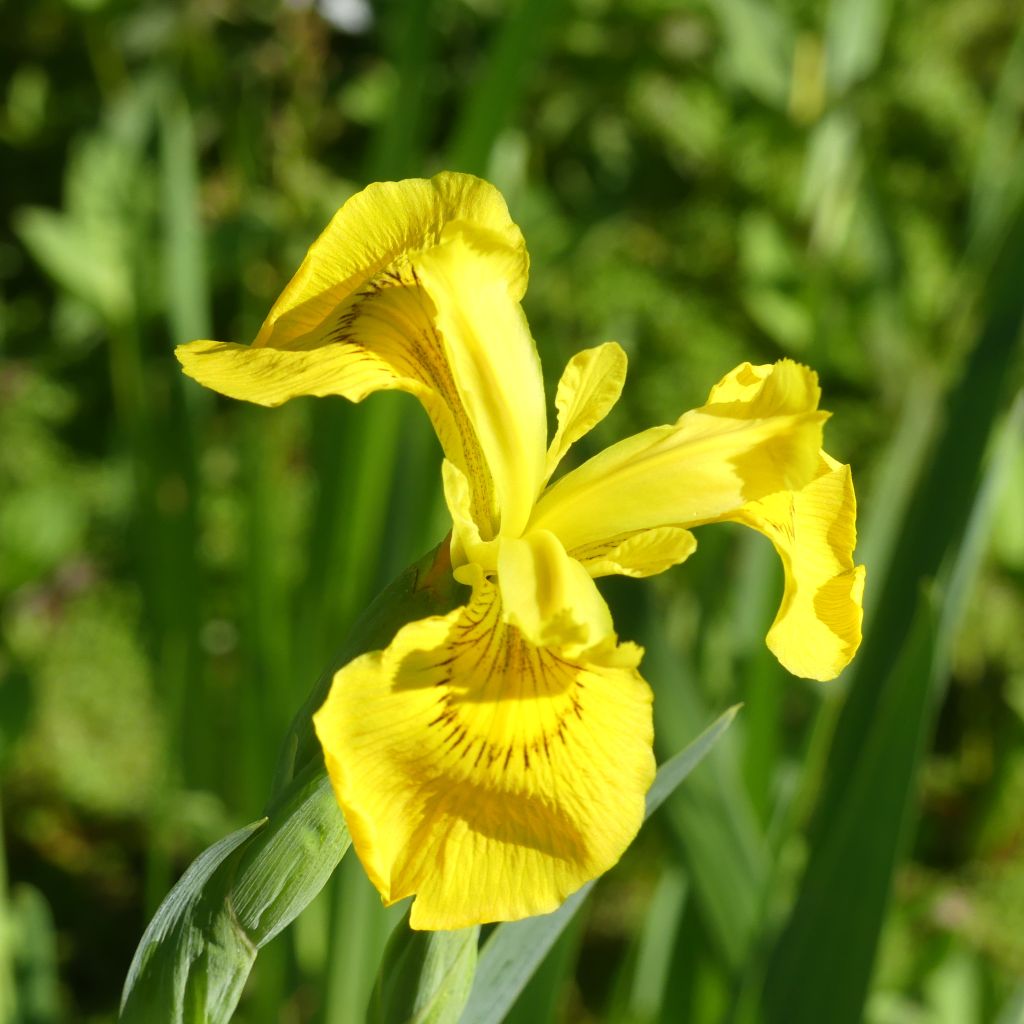
We want to see more common local native plants growing on the pond margins. Some seeds have already been kindly donated – but we would welcome more to increase the diversity of the plants in the whole of the Nature Area. So far, we have seeds of yellow rattle, yellow iris, foxglove, poppy, mullein, thistle, hemp agrimony, willowherb, burdock, travellers joy, fleabane, wild carrot, and mugwort. Other plants that might be suitable for the pond edge include pendulous sedge, mallow, stinking iris and meadowsweet for example. An appeal will soon be going out for assistance with preparing small patches of ground ready to receive the new varieties of wild plants and seeds.
Compared with last summer, the number and variety of insects and other invertebrates has been very disappointing this year. We hoped each day for a sudden appearance of the normal flocks of butterflies, swarms of bees, and hordes of grasshoppers and crickets but they never arrived. This can only partly be attributed to the early spring disturbance of rebuilding the pond. Most other parts of the country have suffered the same losses, thought mainly to be an effect of the long damp spring. Our nature area suffered substantial losses this year.
You might be interested to know that a small group has been formed to support and improve the Nature Area, to get to grips with maintenance and development issues, and to look at the wider picture and long-term aims for the site. We have made a long list of jobs that need to be done – some of them on a regular basis. Visitors to the site will soon begin to see small changes taking place as we try to put into action these plans to enrich the site for Nature. Presently, we have identified 10 different habitat zones which would benefit from attention to increase their wildlife and amenity value.
The first part to receive attention has been the “beach” area of the pond. This is where the gradient from land to water is gently sloping to allow animals to enter and leave the pond safely. [When we had the old pond with its uniformly steep sides, a roe deer once drowned when it could not climb up the slippery sides]. The pebbles of the beach area, where most people go when they visit, have been sliding down the incline leaving the pond liner bare and vulnerable to damage. For this reason, lengths of turf have this week been fixed here at the edge to protect it.
The smaller. shallower area of the pond, on the north side of the footbridge, will hopefully soon be transformed into a new Bog Habitat with waterlogged ground. We have already made a start there by planting yellow iris, rushes, marsh marigolds, hemp agrimony, penny royal, creeping jenny, purple loosestrife and bog pimpernel around the waterline (see the pictures). We could add such plants as moses and ferns, ladies smock, marsh woundwort and silverweed. Before soil is imported into the wet hollow, we will remove any animal life, including snails and insect larvae and nymphs, that have colonised the water during the summer months, and transfer them into into the deeper water of the large pond.
Other developments include one Volunteer helping to assess the condition of the bird nesting boxes in the Nature Area with a view to cleaning them out and donating more boxes. And another Volunteer has just started to take aerial photographs of the Nature Area using a drone. This will be repeated monthly so that we will have a record of what the Nature Area looks like as it changes through the seasons, and as it improves in biodiversity through moderate and considered planting interventions.
Too much to tell you really. Better that you all come and see for yourself, or perhaps ask to join me for an informal walk and talk around our lovely Nature Area.


Discover more from Charlton Down Nature Area
Subscribe to get the latest posts sent to your email.

 Charlton Down Nature Area